Non-bank finance companies (NBFCs) have quietly become the backbone of India’s fintech
boom. They sit between banks and consumers, lend to underserved segments, partner with
fintechs, and help scale new credit products rapidly. But as NBFCs have grown in size,
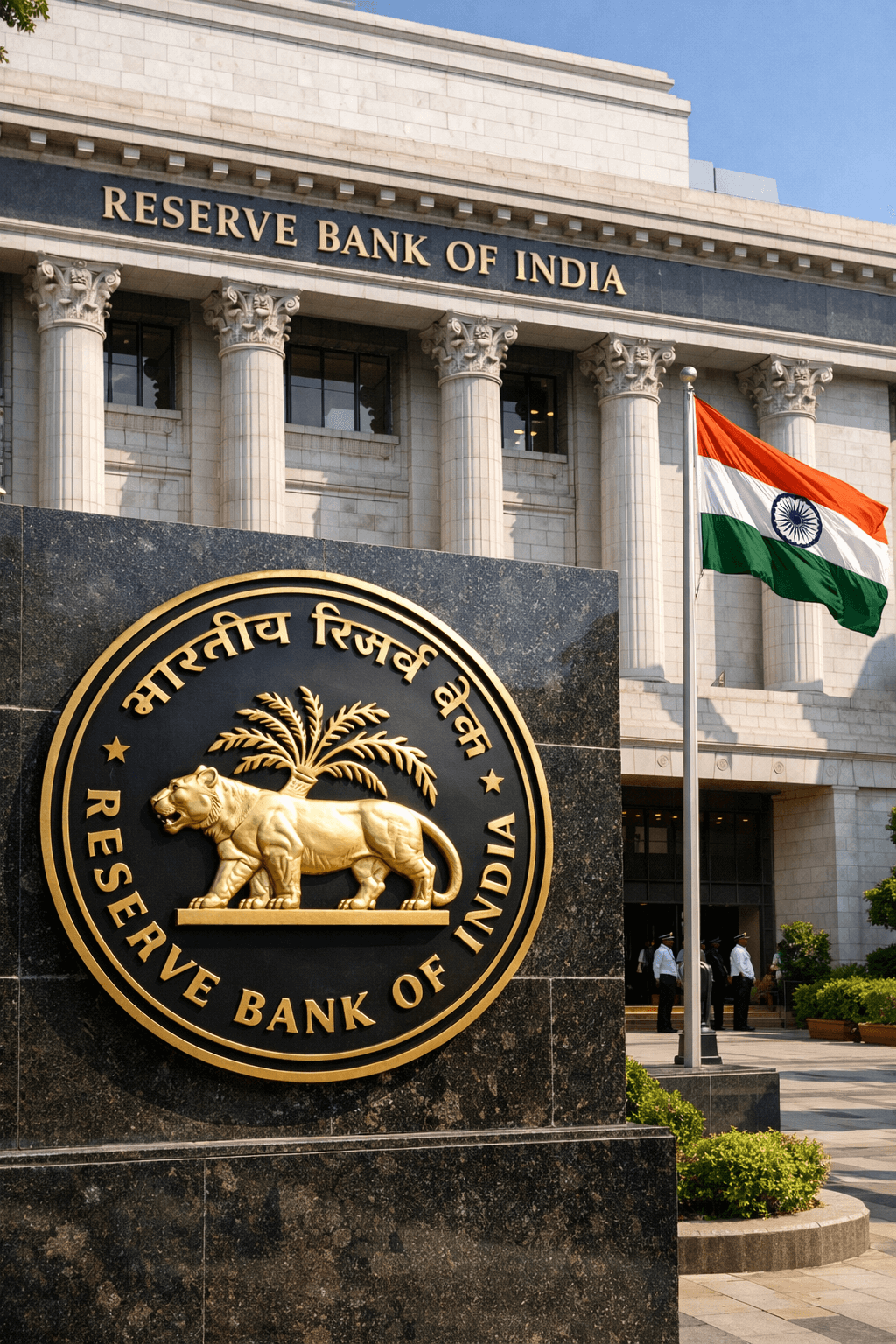
complexity and interconnectedness with the wider financial system, the Reserve Bank of
India (RBI) has tightened its regulation, seeking to balance innovation, consumer protection
and systemic stability. This article explains why NBFCs matter to fintech, what the RBI’s
regulatory shift looks like, and what it means for the future.
Why NBFCs are Central to Fintech
Fintechs often rely on NBFCs for the regulated functioning: lending capital, on-book credit,
underwriting, and access to regulated payments and settlements. NBFCs can move faster than
traditional banks on niche products, which makes them natural partners or platforms for
fintech startups. This coupling technology operated by fintechs, and regulated credit
intermediation by NBFCs has driven rapid credit growth and financial inclusion, especially in
digital-first markets. The scale of this growth has been widely documented by industry
reports and RBI trend analyses.
RBI’s Scale-Based Regulatory Response
Recognising this rising systemic footprint, RBI implemented a Scale-Based Regulatory
(SBR) Framework effective 1 October 2022. The SBR divides NBFCs into layers (Base,
Middle, Upper and Top) and applies proportionate regulatory intensity depending on size,
activity and interconnectedness. In practice, the SBR framework brings stricter governance,
capital and disclosure rules for larger and systemically important NBFCs while keeping lower
compliance for small players.
From Corrective Tightening to Calibrated Easing
The RBI’s stance has not been static. In 2023-24, following stress events and concerns about
rapid retail credit growth (Thomas and Dugal, India’s RBI partly dials back strict loan rules
for micro credit, non-bank lenders, Reuters, 2024), the RBI tightened prudential norms,
raising risk weights and sharpening NPA recognition norms for some products. These
regulations reflect RBI’s twin objective: keep a check on reckless growth while preserving
credit flow through NBFCs that support fintech innovation.
What the Tightening Means for Fintech Models
- Higher Compliance and Capitalisation Needs: Startups partnering with NBFCs will
face a more rigorous partner-selection process: stronger KYC controls, capital
adequacy proof, and functional resilience checks (Business Continuity Plan,
Cybersecurity Audits). Larger NBFCs must maintain higher capital and governance
standards under Scale-Based Regulation, which raises their cost of doing business
(RBI-NBFC Report, 2025) - Stronger Consumer Protections: Tighter rules on fair practices, loan disclosure and
digital lending conduct reduce predatory pricing and hidden charges, which benefits
end-users and improves trust in fintech products. This may, however, slow down
some aggressive growth strategies used earlier by some players. - Concentration and Consolidation: As regulatory and capital burdens rise, smaller
NBFCs may either consolidate or retreat (RBI-NBFC Report, 2025), potentially
concentrating fintech partnerships among well-capitalised NBFCs or banks. This
could professionalise the sector but may also reduce competition.
Policy Innovations and Industry Governance
RBI’s move to designate an Self Regulatory Organisation (SRO) for NBFCs and insistence
on escrowing, audits and disclosure frameworks point to stronger industry self-regulation
combined with regulatory oversight. These governance steps aim to create a safer ecosystem
where fintech innovation can scale without endangering financial stability of the
masses.(FIDC to oversee NBFCs as ‘self-regulatory body’, The Times of India, 2025)
To conclude, it would be accurate to say that NBFCs are partly the future of fintech. They
will remain indispensable as regulated conduits for credit and financial services. But their
future is conditional to the growth of NBFCs that invest in governance, capital resilience and
digital centric compliance. RBI’s tightening is not an anti-innovation signal, rather it is
personally viewed as an effort to make fintech-NBFC partnerships sustainable, safe and
scalable. For fintech entrepreneurs, the message is clear wherein regulatory alignment and
robust risk frameworks are no longer optional but they are core to growth strategy.